
"In February, nature reminds us that even in the coldest moments, beauty can still flourish."
- Gabriela Alemán
January Weather Summary
For many, the weather in January 2026 will likely be remembered for how it ended. As the month closed, a series of winter storms swept across the country, bringing snow, ice, and bitter cold that disrupted travel and daily routines for several days. Those late-month systems didn’t just leave an impression, but helped define January’s extreme weather story, one shaped by sharp contrasts and notable severe temperatures across several states.
January’s highest temperature, 95°F in Mission, Texas, was recorded early in the month, before the weather pattern shifted dramatically.
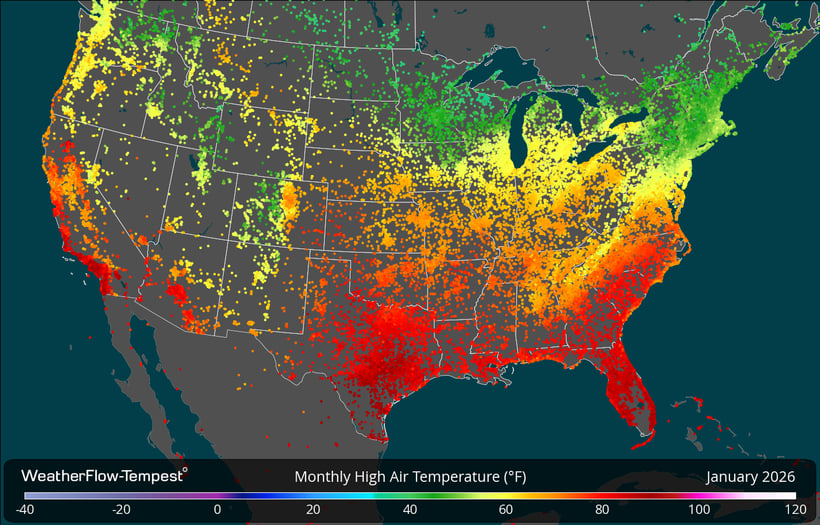
Then came the cold. As winter storms moved in late in the month, temperatures dropped sharply, with the lowest January reading of -40°F recorded in Ray, Minnesota.
-4.png?width=820&height=526&name=image%20(1)-4.png)
Data Look Back: Extreme Winter Storms at the End of January

This Month in Weather History
On February 5th, 1920, winter weather in the Northeast appeared deceptively calm - at least according to the papers. Morning forecasts described the day as “fair,” with expectations that conditions would turn “fair and warmer” the following day. Snow was not the headline residents were waking up to. But as the day progressed and overnight hours set in, the weather took a sharp turn.
A powerful nor’easter swept through the area, bringing snow and sleet into the region and quickly overwhelming expectations. By the following day, newspapers told a very different story, reporting the worst snow and sleet the area had seen in years. The storm ultimately delivered significant snowfall across the Northeast, burying streets and disrupting daily life as winter reasserted itself in dramatic fashion.
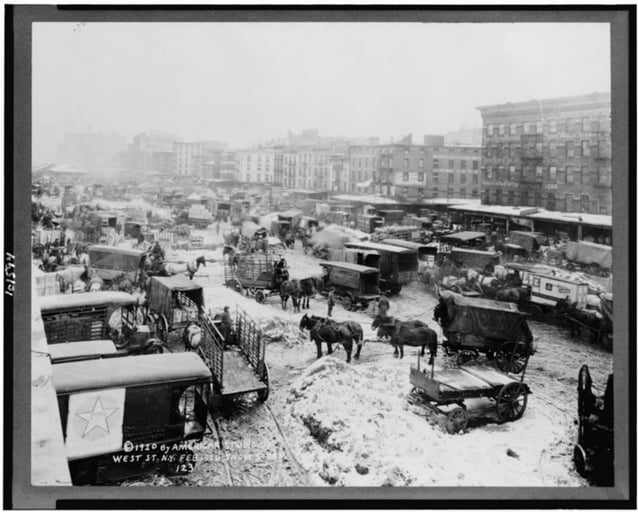
West St., N.Y. Febsnow storm. Photograph. Retrieved from the Library of Congress, <www.loc.gov/item/90712250/>
The abrupt shift between February 5th's optimistic forecast and the February 6th storm coverage highlights the limitations of weather forecasting in the early 20th century. With fewer observations, limited communication, and no satellite or radar data, forecasters often had little warning when fast-moving systems intensified. Today, advances in meteorology allow us to better anticipate storms like this one.
“February 5.” NY 1920, ny1920.com
“Today in Weather History: February 5.” National Weather Service, National Oceanic and Atmospheric Administration
Tempest in the Elements

This month's Tempest in the Elements comes from user Leonard S. Thanks Leonard! Want to be featured? Tag us in your Tempest setup or use the hashtag #tempestwx
Tempest Feature: Weather Technology with a Purpose

What happens when utilities, educators, and weather technology come together? In North Carolina, a recent partnership between Jones-Onslow EMC and Tempest is showing just how powerful that combination can be. By donating weather stations to elementary schools across the region, this initiative brings real-time weather data directly into classrooms, turning everyday conditions into hands-on STEM learning opportunities.
Beyond education, the program also supports weather awareness and community safety while strengthening the local network of weather stations that utilities rely on. Read the full article to explore how this initiative is benefiting students today, and helping build more informed, resilient communities for the future. Read More >>>

Other Weather News
January's Harsh Goodbye
A major winter storm swept across large parts of the United States in late January, bringing snow, sleet, and dangerous ice from the South into the Northeast. Travel disruptions, power outages, and school closures were reported in multiple states as the system moved east. While forecasts leading up to the event warned of significant impacts, the storm ultimately delivered a wide range of conditions depending on location, from heavy snow in some regions to ice and bitter cold in others. Read More >>>
The Costly Mark of Last Month's Winter Storm
Late-January’s Winter Storm is expected to rank among the most expensive winter weather events for insurers, with projected losses over $6.5 billion, which would place it among the top few costliest winter storms on record. Much of the damage stemmed from prolonged freezing temperatures, which strained infrastructure, burst pipes, and caused widespread tree and power-line failures - especially across Texas, Tennessee, and parts of the Southeast. Extended power outages increased the risk of property damage, with commercial buildings often seeing the highest losses. The storm also brought record-low temperatures to several major Texas cities, underscoring how severe cold in regions less accustomed to it can drive impacts far beyond the snowfall totals. Read More >>>
Do Trees Really Snap in the Cold?
During extreme cold snaps, trees can sometimes split with a loud crack that sounds like an explosion. The effect happens when sap freezes and expands while the outer layers of wood contract at different rates, building up stress until the trunk ruptures. Despite the dramatic sound, it’s usually not as dangerous or as common as headlines suggest, though the severe cold that causes it can be. Read More >>>
The Mystery of Why Ice is Slippery
Ice may seem straightforward in its formation, but we actually don't know why it’s so slippery. Researchers generally agree that the outermost surface of ice behaves differently from the ice below it, creating conditions that reduce friction, but exactly how that happens remains a mystery. Multiple competing ideas, along with newer research, suggest that several processes may be happening at once rather than a single clear cause. Even after centuries of study, one of winter’s most familiar hazards is still not completely understood. Read More >>>
Back to: Newsletter, Articles